September 2026
AI Photography vs a Real Photoshoot: What Does It Actually Cost?
A real photoshoot for a small campaign in the Netherlands usually runs somewhere between 1,500 and 4,000 euros once you add up the photographer, a model, a studio or location, hair and make up, and editing. AI generated photography for the same brief typically costs a few hundred euros and takes days rather than weeks. That's the short answer. Here's what actually goes into that difference, and where each approach still makes sense.
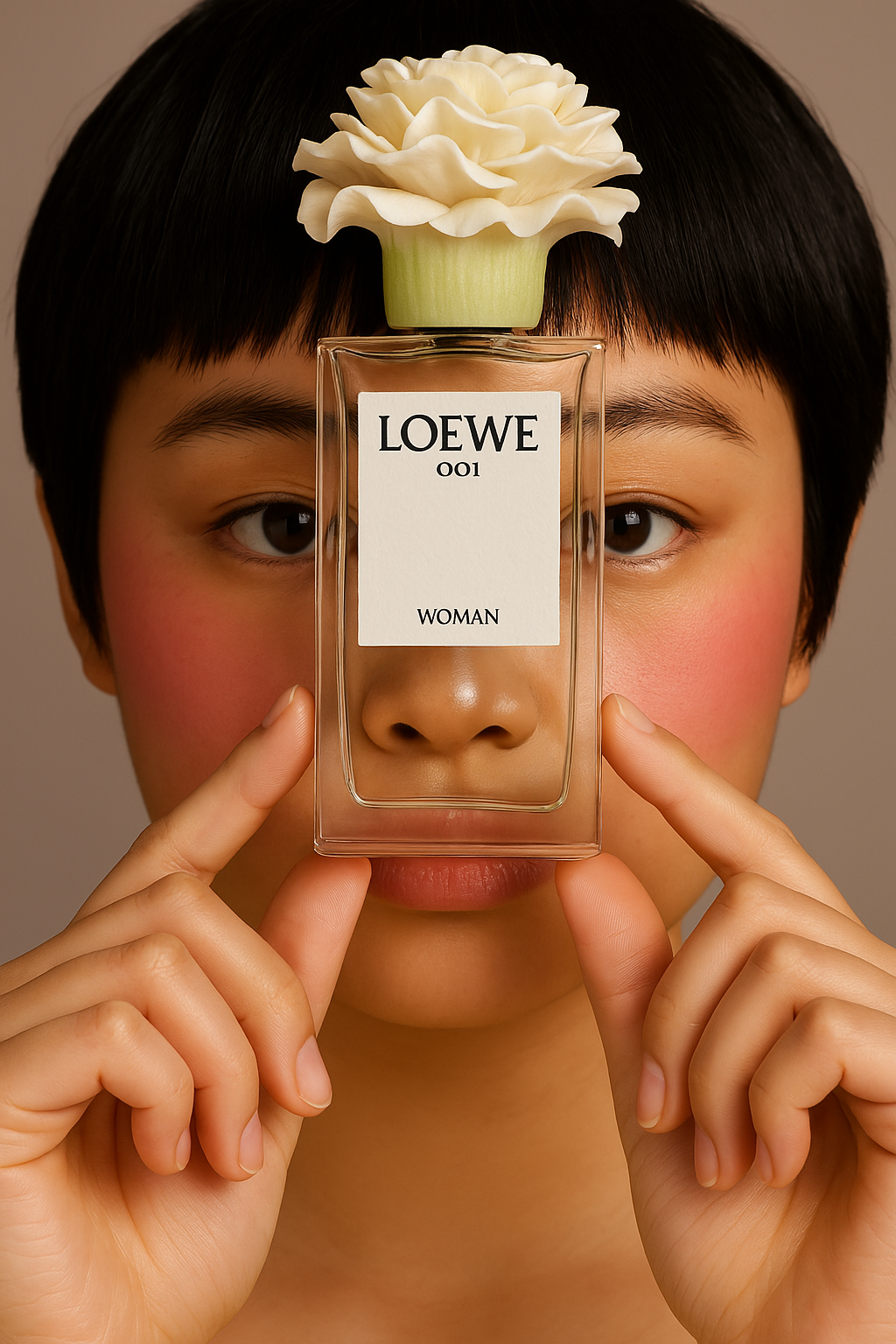
Where the traditional photoshoot cost comes from
A studio day rate alone can run 500 to 1,000 euros before anyone shows up. Add a model, which usually means a day rate plus usage rights if the images go on social media or paid ads, and you're often another 500 to 1,500 euros. Then hair, make up, a stylist if there's wardrobe involved, and a photographer's own fee and editing time. None of this is padding, it's what professional production actually requires, and it's why a proper campaign shoot rarely comes in under 2,000 euros once everything is included.
Where the AI cost comes from instead
With AI generated photography, most of that cost simply doesn't exist. There's no studio to book, no model day rate, no travel, no reshoot if the light was wrong that day. What you're paying for is the creative direction and prompting skill needed to get an image that actually looks like your brand rather than a generic AI output, plus the editing and upscaling to make it usable, which is a fraction of what a comparable traditional shoot would cost for the same number of final images.
What you give up, and what you don't
You don't get a real photo of a real product in someone's real hands, so if a client specifically needs proof that a physical object was photographed as is, AI isn't the right tool yet. You also don't get spontaneous, imperfect human moments the way a documentary style shoot captures them. What you don't give up is control over lighting, mood or composition, all of that is still deliberately directed, it's just directed through prompting rather than through a physical set. For campaign visuals, product styling, social content and mood driven brand imagery, most clients can't tell the difference once it's finished, and the ones who care most tend to be other creatives, not the end customer scrolling past it on Instagram.
The honest verdict
If the budget is under 2,000 euros or the timeline is under a week, AI photography is very likely the better option. If the brief absolutely requires a specific real person, a specific real location, or physical proof of a product's actual condition, a traditional shoot still wins. Most brands sit somewhere in between and end up mixing both, real hero shots for anything that needs to be verifiably real, AI generated visuals for the volume of campaign and social content around it. If you want to see what a real cost comparison looks like for your own project specifically, book a call and I'll walk you through it against your actual brief.
Written by Fleur Strike, founder of Lumonova, an Amsterdam-based AI creative studio for AI campaign imagery, product visuals, branding, web design and AI training.